Blue Mustang: A Guide to Retro Typography and Modern Design
In the vast landscape of digital typography, finding a font that balances nostalgia with modern usability is a rare win. Blue Mustang is exactly that—a distinct, retro-styled script font that evokes the golden era of muscle cars, neon signage, and mid-century design. However, its application goes far beyond vintage aesthetics. For designers and creators, this typeface serves as a versatile tool, particularly because of its technical capabilities and stylistic flair.
The Retro Appeal of Blue Mustang
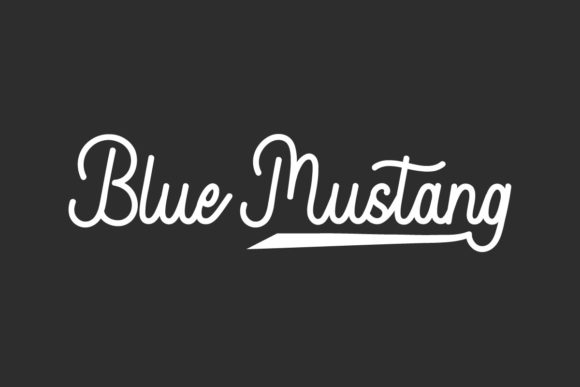
There is a specific emotional response triggered by retro typography. When you look at Blue Mustang, you aren't just seeing letters; you are seeing a feeling. The font mimics the hand-lettering styles popular in the 1950s and 60s, characterized by flowing connections and a sense of motion. This style, often referred to as "hot rod" lettering or classic cursive, brings an immediate sense of authenticity to a project.
Why does this matter today? In an era of flat design and minimalist sans-serifs, a font like Blue Mustang cuts through the noise. It adds personality. Whether you are working on a craft beer label or a vintage clothing tag, the font communicates a message before the customer even reads the words. It suggests quality, craftsmanship, and a distinct identity.
Understanding PUA Encoding and Accessibility
One of the most critical technical aspects of Blue Mustang is that it is PUA encoded. For those unfamiliar, PUA stands for "Private Use Area." This is a standard in Unicode that allows font designers to assign special characters—like swashes, ligatures, and stylistic alternates—to specific code points.
Why is this a game-changer for your workflow? Many script fonts come with beautiful extra characters that are impossible to access without professional design software like Adobe Illustrator or InDesign. Because Blue Mustang is PUA encoded, you can access all of the glyphs and swashes with ease, even in standard programs like Microsoft Word, Canva, or basic text editors on Windows and Mac.
This accessibility removes the technical barrier. You do not need to be a typography expert to utilize the full potential of the font. It ensures that the decorative swirls and unique letter variations are available to everyone, democratizing professional-grade design.
Practical Applications: Where Blue Mustang Shines
The versatility of Blue Mustang allows it to fit seamlessly into various industries. It is not merely a decorative font; it is a functional asset for branding. Here are some specific scenarios where this typeface excels:
- Branding and Logos: If your brand identity revolves around heritage, durability, or a fun, energetic vibe, this font is an ideal primary logo typeface. It works exceptionally well for automotive shops, barbershops, and retro diners.
- Fashion and Merchandise: The streetwear and vintage clothing markets rely heavily on typography. Blue Mustang is perfect for t-shirt graphics, embroidered hats, and tote bags. Its bold lines ensure readability even on textured fabrics.
- Product Packaging: Shelf appeal is everything. On a coffee bag, a hot sauce bottle, or artisanal goods, the retro style of Blue Mustang suggests that the product inside is made with care and tradition.
- Event Invitations: For weddings with a vintage theme, birthday parties, or automotive meetups, using this script font for headings and headers sets the mood immediately. It feels celebratory and personal.
Designing with Flow and Rhythm
When working with Blue Mustang, it is important to consider the rhythm of the text. Because it is a script font, the connection between letters matters. The "distinct" nature of the typeface comes from its unique baseline shifts and varying x-heights, which mimic natural handwriting.
When placing this font into a layout, give it room to breathe. Unlike a standard serif or sans-serif font, scripts often require more tracking (letter spacing) to prevent the tails of the letters from crashing into the next line. However, with Blue Mustang, the design is structured to be legible, but careful kerning is still recommended for professional results.
Pairing Blue Mustang with Other Fonts
A common challenge is deciding what to pair with a strong stylistic font. You generally want to avoid pairing Blue Mustang with another decorative font, as this creates visual clutter. Instead, contrast is key.
Consider pairing it with a clean, geometric sans-serif font. The modern, straight lines of a sans-serif will complement the organic, curved nature of the Mustang script. This creates a hierarchy that guides the viewer's eye—using Blue Mustang for the "hook" or headline, and the sans-serif for the body copy or details. This combination works incredibly well for product packaging where you need a catchy name but also clear ingredients and instructions.
Technical Considerations for Web and Print
While the aesthetic of Blue Mustang is vintage, the font file is built for modern standards. However, there are practical considerations to keep in mind depending on your medium.
For Web Design
Script fonts can sometimes pose challenges for web performance if the file size is large due to extensive glyph support. However, because Blue Mustang is designed with efficiency in mind, it loads well. The key here is size. Do not use this font for body text (paragraphs of 10pt text). It is difficult to read on screens at small sizes. Instead, use it for H1, H2, or "Hero" text where the size is large (30px and above) and the impact is immediate.
For Print Production
In print, the retro style of Blue Mustang holds up beautifully. The curves are smooth, which means they translate well to vector cutting machines (like Cricut or Silhouette) for vinyl decals. If you are using this for merchandise, ensure you convert the text to outlines/paths before sending it to the printer to avoid font substitution errors.
Why "Retro" is a Timeless Strategy
Trends in design come and go, but "retro" is a recurring theme. It is not just a trend; it is a style category. Choosing a font like Blue Mustang is a strategic decision to tap into a feeling of nostalgia. It appeals to a wide demographic—older generations appreciate the familiarity, while younger generations view it as a cool, vintage aesthetic.
Furthermore, the specific "swashes" mentioned in the font description are vital for customization. A swash is a typographical flourish added to a letter. By utilizing the PUA encoding to access these swashes in Blue Mustang, you can make a logo look completely unique, even if two people buy the same font. It allows for a level of customization that ensures your design doesn't look like a template.
Final Observations on Usability
Before choosing Blue Mustang, consider your project's legibility requirements. If your primary goal is to convey complex information quickly, this font should be used strictly for accents. However, if your goal is to evoke emotion, establish a brand personality, or create a striking visual header, it is an outstanding choice.
The ease of access to glyphs makes it user-friendly for beginners, while the stylistic depth makes it valuable for professional designers. It bridges the gap between the need for complex OpenType features and the reality of everyday design software. Ultimately, Blue Mustang offers a reliable way to inject energy and history into any creative project.