Cracked Stone: Integrating a Distinctive Typeface into Professional Design Workflows
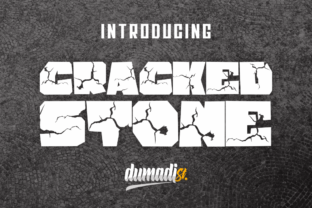
In the landscape of digital design, typography serves as a primary vehicle for tone and context. While sans-serifs and serifs form the backbone of readable content, display typefaces drive attention and set specific moods. Cracked Stone represents a niche but powerful category of typography. It is an uppercase display font characterized by a fractured, weathered aesthetic. This specific style is engineered to evoke feelings of tension, age, and impact, making it a specialized tool for titles, horror-themed projects, and dramatic branding.
Understanding where a font like Cracked Stone fits into a broader creative workflow requires more than just an appreciation for its look. It demands an understanding of file preparation, software integration, and strategic application. For professionals ranging from graphic designers and video editors to marketers and small business owners, leveraging this typeface effectively means balancing its high visual impact with the practical constraints of modern media.
Understanding the Visual Language of Cracked Stone
Before integrating any asset into a project, a creator must analyze its inherent characteristics. Cracked Stone is not a font for body text; its legibility drops significantly at smaller sizes due to the texture of the cracks. Instead, it functions as a display font. Its uppercase nature suggests authority and shouting, while the cracked texture implies decay, intensity, or raw power. This combination makes it particularly effective for the horror genre, heavy metal band logos, Halloween event promotions, and post-apocalyptic storytelling.
For marketers and entrepreneurs, the utility of Cracked Stone extends beyond horror. It can be used to convey a "grunge" aesthetic, suggesting that a product is raw, unrefined, or authentic. For example, a coffee roaster or a craft brewery might use this font to signal an artisanal, rough-hewn quality. The key is to recognize that the font carries heavy connotations. Using it for a medical report or a wedding invitation would be a semantic mismatch, but using it for a gaming channel intro or a movie poster aligns the visual asset with the content’s narrative.
Preparation and File Management
The implementation of Cracked Stone begins long before the design phase. Efficient workflow relies on proper asset organization. When acquiring the font files, typically in .TTF (TrueType Font) or .OTF (OpenType Font) formats, the first step is installation.
On Windows, this usually involves right-clicking the file and selecting "Install for all users" to ensure the font is accessible across different applications like Adobe Photoshop, Illustrator, or DaVinci Resolve. On macOS, the Font Book application manages this process. For teams, particularly freelancers or agencies, storing the font file in a shared cloud directory (such as Dropbox or Google Drive) ensures that all team members maintain consistency. A common pitfall in collaborative projects is missing fonts; standardizing the installation process prevents layout errors when files are transferred between machines.
Integration into the Design Process
Once installed, Cracked Stone enters the active phase of the creative workflow. The integration process depends heavily on the medium.
Digital and Print Media
In static design—such as posters, thumbnails, or social media graphics—Cracked Stone works best as a focal point. Because the font features cracks and texture, it interacts differently with background images than a clean sans-serif would.
- Contrast Management: When placing Cracked Stone over a busy background, legibility can suffer. A practical workflow step is to apply a "knockout" effect or place the text over a solid, dark color block to ensure the cracks in the letters don't blend into the background noise.
- Color Pairing: The font often looks best in high-contrast scenarios. White text on a black background creates a stark, cinematic feel. Alternatively, using a deep crimson or blood red can emphasize the horror or intense aspect of the typeface.
- Resolution Requirements: Because the "cracked" details are fine lines, vector formats (SVG) or high-resolution rasterizations are essential. If used in print, the DPI (dots per inch) must be high enough to render the texture clearly; otherwise, the cracks may look like printing errors rather than stylistic choices.
Video and Motion Graphics
For video editors and motion designers, Cracked Stone offers dynamic possibilities. In software like Adobe After Effects, the font can be animated to reveal the cracks progressively. This fits perfectly into a post-production workflow where the title sequence sets the mood.
A practical implementation tip for video is to use the font for lower thirds (name titles) in specific segments, such as intense interview segments or dramatic reveals. However, consistency is key. If the video content is lighthearted, introducing Cracked Stone abruptly can confuse the viewer. It should be reserved for segments where the audio and visual tone match the font's intensity.
Workflow Optimization and Efficiency
Integrating specialized fonts like Cracked Stone requires a streamlined approach to maintain efficiency. Frequent designers often struggle with "font fatigue" or the time wasted searching for the right typeface.
To optimize the workflow:
- Style Guides: If a brand decides to use Cracked Stone, it should be codified in the brand style guide. Define exactly when and where it is used (e.g., "Cracked Stone is used exclusively for H1 headers on landing pages related to the October sale campaign"). This prevents misuse and ensures brand consistency.
- Templates: Create reusable templates in your design software. Pre-set the character spacing (tracking) and line height (leading) for Cracked Stone. Because display fonts often require manual kerning (adjusting space between specific letter pairs) to look balanced, doing this once and saving it as a template saves significant time on future projects.
- Rendering Performance: Highly detailed fonts can sometimes increase rendering times in complex video projects. If performance lags, consider pre-rendering the text layer as a video asset to reduce the load on the system during the final export.
Compatibility and Technical Considerations
No workflow discussion is complete without addressing compatibility. Cracked Stone, like all fonts, relies on the operating system's font renderer. Issues can arise when moving from a desktop environment to a web environment.
If a web developer or blogger wishes to use Cracked Stone on a website, simply uploading the file is not enough. It must be converted to web-friendly formats (WOFF or WOFF2) or hosted via a service that supports it. However, because Cracked Stone is a display font, it is advisable to load it only for specific headers to minimize page load times. Using a heavy, textured font for an entire paragraph would severely impact site speed and SEO rankings, violating Google's Core Web Vitals metrics.
Furthermore, color management is a factor in professional printing. The "cracks" in the font may appear differently on a digital screen compared to printed paper. A proofing process is recommended. Print a small sample of the text to ensure the texture doesn't fill in (a common issue with ink bleed on lower quality paper stocks). Using a high-contrast paper stock, such as matte black paper with white ink, often yields the best results for this specific aesthetic.
Long-Term Use and Quality Control
As projects evolve, the role of assets like Cracked Stone may shift. It is important to periodically review how the font is being used. Is it becoming dated? Is it being overused to the point of losing its impact?
For creators managing a library of assets, organization is paramount. Categorizing Cracked Stone under "Display - Horror" or "Display - Grunge" in a font management tool (like Suitcase Fusion or FontBase) allows for quick retrieval when the specific mood is required.
Ultimately, Cracked Stone is a specialized instrument. It does not replace standard text fonts but complements them by providing a visual exclamation point. By understanding its technical requirements, managing its integration through templates and style guides, and respecting its semantic weight, professionals can use this typeface to elevate their work from mundane to immersive. Whether you are designing a horror movie poster, a seasonal marketing campaign, or a unique logo, the strategic implementation of Cracked Stone ensures that the final product communicates the intended message with clarity and stylistic impact.