A Comprehensive Look at the Lovely Time Typeface
Understanding the Design and Aesthetic
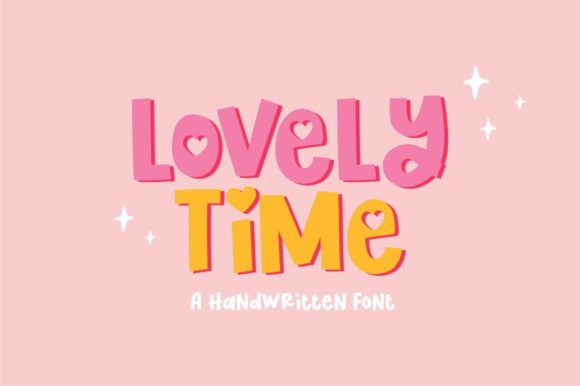
In the vast landscape of digital typography, finding a font that balances legibility with a distinct personality can be a challenge. Lovely Time is a typeface that positions itself firmly in the "playful and cute" category. It is characterized by its handwritten origins, designed to evoke a sense of warmth and whimsy. Unlike rigid, geometric sans-serifs or formal serifs, this font relies on organic shapes and flowing lines. It is intended to serve as a visual tool for projects that require a friendly, approachable, and quirky atmosphere. The design philosophy behind Lovely Time centers on hand-crafted aesthetics, aiming to bring a human touch to digital design work.
The font’s visual identity is defined by its soft edges and bouncy baseline. This makes it distinct from standard script fonts, which can often be overly formal or cursive. Instead, Lovely Time offers a block-letter style that mimics the look of hand-lettering or chalkboard art. This aesthetic is particularly relevant for designers looking to move away from corporate rigidity and toward more expressive, emotional communication. The typeface is not just a collection of letters; it is a stylistic choice that dictates the tone of the entire project.
Technical Specifications and Usability
When evaluating a typeface, the visual appeal is only one half of the equation; the technical utility is equally important. Lovely Time comes equipped with several technical features designed to enhance usability for designers. One of the most significant features is its PUA (Private Use Areas) encoding. For those unfamiliar with font engineering, PUA encoding ensures that all special characters, glyphs, and swashes are accessible across virtually all design software, including those that do not support OpenType features natively. This means users can easily copy and paste special characters from a character map into programs like Silhouette Studio, Cricut Design Space, or basic word processors without encountering missing character errors.
Beyond encoding, the font offers a comprehensive character set. This includes:
- Case Variety: Both all-uppercase and lowercase letterforms are available, allowing for typographic hierarchy and variation.
- Numerals and Symbols: The inclusion of numbers and standard symbols makes it functional for creating dates, prices, and labels.
- Linguistic Support: The font supports multiple languages, expanding its utility for international projects or multilingual branding.
- Alternates and Ligatures: These features allow designers to swap out standard letters for stylistic variations, preventing repetition and adding a more authentic hand-lettered feel.
Ideal Use Cases and Applications
Determining if Lovely Time is the right tool for your project requires analyzing the specific context of your design. Given its playful nature, this typeface is a strong fit for projects that target a casual audience or aim to convey happiness and energy. It is particularly well-suited for the "maker" community and small business owners who create physical goods.
Specific applications where this font excels include:
- Apparel Design: The bold, clear lines of the font translate well to screen printing and heat transfers for t-shirts, hoodies, and tote bags.
- Packaging and Labels: For products like baked goods, handmade cosmetics, or children's toys, Lovely Time helps establish a "homemade" or artisanal brand identity.
- Stationery: It is effective for greeting cards, invitations, and quote posters where the message is meant to feel personal and intimate.
- Logotypes: For businesses that want to appear approachable rather than corporate, such as cafes, boutiques, or pet grooming services, this font can serve as a primary logo type.
- Merchandise: Mugs, stickers, and novelty items often benefit from typography that is instantly readable and emotionally engaging.
Evaluating Tradeoffs and Limitations
While Lovely Time offers significant charm, it is essential to consider the tradeoffs inherent in using a decorative typeface. The primary consideration is readability at scale. While the font is legible for short phrases, logos, and headlines, it is generally not recommended for long-form body text. Handwritten fonts can cause eye strain when used for paragraphs of information, as the irregular shapes require more cognitive effort to process than standard serif or sans-serif fonts.
Furthermore, the "cute" aesthetic is subjective and context-dependent. In corporate environments, legal documents, or serious news reporting, a font like Lovely Time would likely undermine the credibility of the content. Designers must evaluate whether the tone of the font aligns with the message's gravity. If the goal is to convey authority, stability, or seriousness, this typeface is likely the wrong choice.
Another consideration is file management. While the PUA encoding solves many compatibility issues, utilizing the alternates and ligatures effectively often requires software that supports OpenType features (like Adobe Illustrator or Photoshop) or a separate character map. Users working strictly within basic text editors may not be able to access the full potential of the font without extra steps.
Comparing Alternatives
If Lovely Time does not perfectly fit your needs, understanding the alternatives can help refine your search. The font market is saturated with handwritten and script options, but they vary significantly in style.
- For a more formal look: If you need a handwritten feel but with more elegance and flow, a script or calligraphy font might be a better fit. These are often used for wedding invitations or luxury branding.
- For a modern look: If you like the casualness but want something cleaner, look for monoline sans-serifs. These retain a friendly vibe but offer more uniformity and a modern edge.
- For a rustic look: If the "cute" aspect is too soft, a rough or distressed handwritten font can provide a vintage or rugged texture suitable for outdoor brands or masculine designs.
When comparing Lovely Time to these alternatives, consider the "bounce" of the baseline. Lovely Time features letters that sit at varying heights, creating a dynamic rhythm. If your design requires strict alignment (such as filling out a form or creating a data table), a font with a flat baseline would be superior.
Decision-Making Insights
To determine if Lovely Time aligns with your goals, perform a simple "tone check." Ask yourself: Who is the audience, and how do I want them to feel?
If the audience is children, parents, or crafters, and the desired emotion is joy, comfort, or playfulness, Lovely Time is a strong candidate. Its hand-crafted nature suggests authenticity, which can be a powerful psychological trigger for consumers looking for genuine, human-made products.
Conversely, if you are designing for a tech startup, a law firm, or a medical provider, the whimsical nature of the font may confuse the audience or send the wrong signal about the brand's competence.
Finally, consider the longevity of the design. Trends in typography change. While "cute" and "quirky" are currently popular in social media graphics and print-on-demand, they may feel dated in a few years. For permanent branding, it is often safer to use expressive fonts like Lovely Time for accents and secondary text, paired with a timeless, neutral font for the primary brand name. This approach allows you to capture the personality of the font without over-committing to a specific trend.
Conclusion
Lovely Time is a specialized tool designed for specific creative challenges. It is not a universal solution for all typography needs, but rather a targeted asset for designers seeking to inject personality, warmth, and a handmade aesthetic into their work. By understanding its technical capabilities—such as PUA encoding and language support—and weighing them against its stylistic limitations, you can make an informed decision. Whether you are creating a t-shirt slogan, a product label, or a heartfelt quote, this typeface offers a distinct voice that, when used appropriately, can significantly enhance the emotional impact of your design.