Mastering Arabic Typography: How the Sallafi Font Elevates Modern Design
In the dynamic world of graphic design, typography is far more than just arranging letters on a page; it is the voice of the visual message. While Latin typography has long dominated global design discussions, there has been a significant renaissance in Arabic typography in recent years. Designers are increasingly seeking typefaces that honor the rich history of Arabic calligraphy while meeting the rigorous demands of modern digital interfaces. Among the standout creations in this field is Sallafi, a stylish and elegant Arabic-style display font that has captured the attention of creatives worldwide.
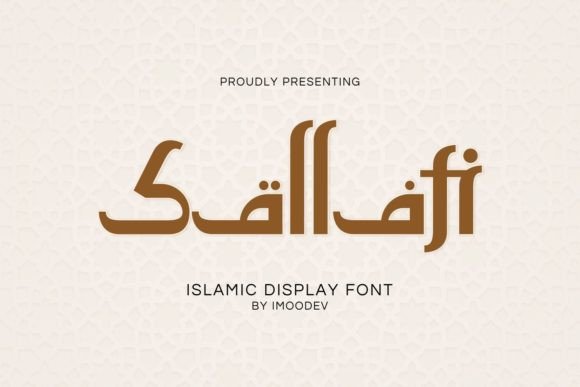
Sallafi is not merely a font; it is a bridge between tradition and modernity. It offers a unique aesthetic that blends classical proportions with contemporary flair. For designers working on branding, advertising, or cultural projects, understanding how to utilize a typeface like Sallafi can be the difference between a mediocre layout and a breathtaking design. This article explores the significance of Sallafi, its design characteristics, and how integrating it into your creative workflow can yield astounding results.
Understanding the Anatomy of Arabic Typefaces
Before diving into the specific attributes of Sallafi, it is essential to understand the fundamental differences between Arabic and Latin scripts. Unlike English, which reads from left to right (LTR), Arabic is a Right-to-Left (RTL) script. Furthermore, Arabic letters are cursive and fluid, connecting to one another within a word. This connectivity creates a rhythmic flow that is central to the beauty of the language.
Arabic typography is generally categorized into several styles, including Naskh (used for printing books and newspapers), Thuluth (decorative and architectural), and Kufi (geometric and angular). Modern display fonts, such as Sallafi, often draw inspiration from the Kufi style. This style is characterized by its structured, straight lines and sharp angles, which translate exceptionally well to digital screens and vector-based design software.
The Challenge of Modern Arabic Typography
One of the biggest challenges designers face is finding Arabic fonts that feel authentic without looking outdated. Many traditional fonts were designed for small print sizes and lack the "personality" required for large headlines or logos. Conversely, some modern fonts sacrifice legibility for style. Sallafi strikes a delicate balance, offering a stylish and elegant structure that remains highly legible, making it an ideal candidate for display purposes.
Key Features of the Sallafi Font
Sallafi distinguishes itself through a series of design choices that cater to the modern aesthetic. It is classified as a display font, meaning it is best utilized for headings, logos, posters, and other large-scale applications where visual impact is the priority.
- Geometric Precision: Sallafi utilizes clean, geometric shapes. The letters are constructed with a sense of mathematical harmony, which gives the text a professional and organized appearance. This precision ensures that the font looks sharp on high-resolution screens and in print.
- Minimalist Elegance: In the realm of design, "less is more" is a golden rule. Sallafi embraces this by minimizing excessive flourishes. It relies on strong structural lines rather than intricate decorations, resulting in a minimalist look that fits perfectly within contemporary design trends.
- Cultural Resonance: Despite its modern structure, Sallafi retains the soul of Arabic calligraphy. It respects the traditional width and proportions of Arabic letters, ensuring that the text feels culturally grounded and authentic to native readers.
- Versatility: While it is a display font, Sallafi is surprisingly versatile. It works beautifully in both formal contexts, such as luxury branding, and informal contexts, such as social media graphics or creative posters.
Practical Applications: Where to Use Sallafi
The true value of a font lies in its application. Sallafi’s unique characteristics make it suitable for a wide variety of creative projects. Whether you are a seasoned graphic designer or a beginner exploring the world of digital art, incorporating Sallafi can elevate your work significantly.
1. Branding and Logo Design
A logo is the face of a brand. It must be memorable, scalable, and reflective of the brand's values. For businesses targeting Arabic-speaking markets—particularly those in sectors like technology, fashion, architecture, or luxury goods—Sallafi offers a perfect solution. Its geometric nature conveys stability and innovation, while its elegant curves suggest sophistication. Using Sallafi for a wordmark or a logotype ensures that the brand identity is both modern and deeply rooted in Arabic culture.
2. Editorial Design and Headlines
In editorial design, the headline is the hook that draws the reader in. A standard, utilitarian font might be readable, but it rarely excites. Sallafi, with its bold and stylish presence, creates immediate visual hierarchy. It is particularly effective in magazine covers, blog headers, and newspaper headlines. The font commands attention without overwhelming the accompanying body text, making it an excellent tool for editorial layouts.
3. Packaging and Product Design
Packaging design requires a font that can communicate the essence of a product at a glance. For products that emphasize heritage—such as perfumes, gourmet foods, or traditional clothing—Sallafi provides an authentic Arabic aesthetic. Its elegance suggests high quality and care, which can influence a customer's purchasing decision. The clarity of the font ensures that product names and descriptions are easily readable, even from a distance on a crowded shelf.
4. Digital Media and UI Design
As the digital landscape evolves, User Interface (UI) designers are looking for fonts that are not only beautiful but also functional. While Sallafi is primarily a display font, it can be used effectively for app headers, splash screens, and landing page hero sections. In the context of web design, using a distinctive font like Sallafi for headings can break the monotony of standard web-safe fonts, creating a unique and immersive user experience.
Integrating Sallafi into Your Creative Workflow
Adopting a new font into your design toolkit involves more than just installation; it requires an understanding of how to pair it with other elements to create a cohesive look. Here are some tips for getting the most out of Sallafi.
Font Pairing Strategies
Because Sallafi is a bold, geometric display font, it pairs best with simpler, neutral body text fonts. If you are designing a bilingual document, you might pair Sallafi with a clean sans-serif Latin font like Montserrat or Open Sans. For Arabic body text, a classic Naskh font is often a good companion, as it contrasts nicely with Sallafi’s angular Kufi-style structure. This contrast creates a visual distinction between headlines and body copy, improving readability and aesthetic appeal.
Color and Spacing
Geometric fonts like Sallafi benefit from generous spacing (kerning and tracking). Giving the letters room to breathe enhances their elegance and prevents the text from looking cramped. Regarding color, Sallafi shines in high-contrast scenarios. Black text on a white background is classic, but using Sallafi in metallic tones (gold, silver) on dark backgrounds can create a luxurious, high-end feel perfect for event invitations or premium branding.
The Technical Side: Why Font Choice Matters for SEO
While the visual aspect of design is paramount, the technical implications of font choice are often overlooked, particularly in web design. Search Engine Optimization (SEO) is not just about keywords; it is also about User Experience (UX).
When using a display font like Sallafi on a website, it is crucial to ensure that it does not negatively impact page load times. Large, unoptimized font files can slow down a website, leading to higher bounce rates and lower search rankings. Modern web practices involve using optimized web font formats (like WOFF2) and implementing lazy loading for non-critical text elements. By ensuring that your beautiful typography loads efficiently, you maintain the visual integrity of your design while preserving your site's SEO performance.
Furthermore, accessibility is a key ranking factor. While Sallafi is designed for display, ensuring that your website's body text is accessible to screen readers is vital. This means using Sallafi for visual flair in headers while utilizing semantic HTML tags (like h1, h2, and p) correctly so that search engines and assistive technologies can understand the structure of your content.
Clearing Up Common Misconceptions
There is a common misconception that "stylish" or "display" fonts are inherently difficult to read. While it is true that some highly decorative scripts can sacrifice legibility, Sallafi is designed with clarity in mind. Its geometric construction ensures that each letter is distinct, reducing the likelihood of confusion between similar characters.
Another assumption is that Arabic fonts are only relevant for regional projects. In our globalized world, Arabic calligraphy is appreciated globally as an art form. Sallafi can be used in international projects to add a touch of exotic elegance or to create a fusion design that blends Western and Eastern aesthetics. It is a tool for cross-cultural communication, allowing designers to speak a visual language that transcends borders.
Conclusion: Transforming Ideas into Visual Masterpieces
Typography is the silent ambassador of your brand. Choosing the right font can evoke emotion, establish trust, and communicate complex ideas instantly. Sallafi represents the best of modern Arabic typography: it is stylish, elegant, and deeply respectful of tradition, yet perfectly suited for the digital age.
By adding Sallafi to your creative design projects, you are not just selecting a typeface; you are adopting a tool that can transform ordinary text into a visual masterpiece. Whether you are designing a logo for a startup, laying out a magazine, or creating a stunning social media campaign, Sallafi provides the aesthetic versatility and professional quality needed to astound your audience. Embrace the elegance of this font, and let your designs speak with the clarity and beauty they deserve.