Runegrim: Unlocking Ancient Viking Runes for Modern Design
The allure of the Viking Age extends far beyond history books; it lives in the aesthetic of their language. For designers and creators today, capturing that raw, ancient energy often hits a frustrating roadblock: Unicode. While standard keyboards offer modern letters, accessing the authentic shapes of Elder Futhark or Younger Futhark usually requires complex character maps or specialized software. This is where Runegrim changes the game. By transforming standard keyboard input into the visual splendor of ancient rune scripts, Runegrim offers a bridge between modern convenience and historical authenticity, making it an essential tool for anyone working in apparel, handicraft, or digital design.
What Makes Runegrim Different?
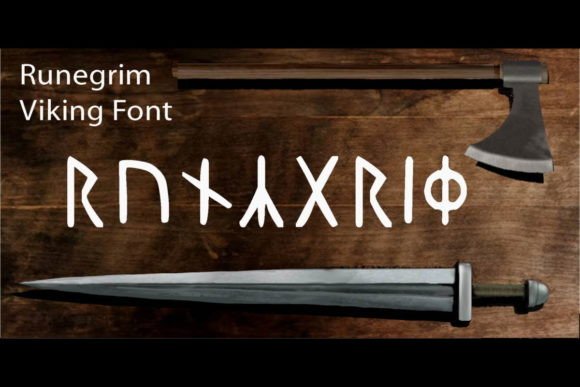
At its core, Runegrim is a typeface designed specifically to mimic the strokes and geometry of Ancient Viking Rune Script. However, unlike a standard historical font that might require you to memorize which key corresponds to which symbol, Runegrim is engineered for usability. It allows users to type using a standard QWERTY keyboard layout while rendering the text in a runic style. This is particularly vital for those who are not familiar with the Unicode format of ancient fonts. Instead of hunting through endless character menus, a user can simply type a word and see it instantly rendered in a style reminiscent of carved wood or stone.
The design of the glyphs focuses on the angular, vertical, and horizontal strokes typical of runes, avoiding curves that were historically difficult to carve. This gives the text a strong, architectural feel that stands out in modern design contexts.
Why Different Audiences Care About Runegrim
The utility of a font like Runegrim varies significantly depending on who is using it. It is not merely a stylistic choice; it is a functional tool that solves different problems for different groups.
For Apparel Designers and Print-on-Demand Sellers
If you are in the clothing business, specifically within niches like streetwear, gym apparel, or historical reenactment gear, typography is your silent salesperson. Apparel designers often seek fonts that convey specific emotions—strength, mystery, or heritage. Runegrim offers high legibility at various sizes, which is crucial when printing on t-shirts, hoodies, and hats.
- Visual Impact: The angular nature of Runegrim creates high-contrast designs that pop on fabric.
- Speed: For a Print-on-Demand entrepreneur, speed is money. Runegrim allows for rapid prototyping of designs without technical hurdles.
- Commercial Value: Viking and Norse aesthetics remain evergreen markets. Using a font that looks authentic rather than "faux-historical" can increase the perceived value of the product.
For Handicraft and Physical Makers
For those involved in handicraft—whether wood burning, leather tooling, embroidery, or stencil making—the usability of Runegrim is a significant advantage. Traditional rune generation tools often output Unicode text that doesn't translate well to vector-based cutting machines (like Cricut or Silhouette) or CNC routers.
Because Runegrim operates as a standard font file, it integrates seamlessly with software like Adobe Illustrator, CorelDraw, or even basic word processors used for stencils. A woodworker creating a custom sign, for example, can type out a family name or a proverb and immediately have a cut-ready design. The font's clean lines ensure that intricate details are not lost when cutting into wood or burning into leather.
Evaluating Runegrim: Skill Levels and Priorities
Different users evaluate design assets based on different criteria. What works for a seasoned graphic artist might confuse a hobbyist. Here is how Runegrim fits into various workflows.
The Beginner and Hobbyist
For the hobbyist or someone just starting their design journey, the primary barriers are usually ease of use and learning value. A beginner does not want to study the history of the Futhark alphabet just to write "Odin" on a poster.
Practical Example: A teenager wanting to make a custom phone case for a friend who likes Norse mythology. They open Canva or a basic design app, select Runegrim from the dropdown menu, and type the text. The font handles the aesthetic heavy lifting, allowing the beginner to focus on layout and color rather than deciphering ancient scripts.
The Professional Designer and Illustrator
Professionals prioritize quality, flexibility, and reliability. They need a font that scales without pixelation (vector compatibility) and offers a complete character set (punctuation, numbers, and multilingual support).
For a professional, Runegrim is evaluated on its kerning (spacing between letters) and how well it pairs with other typefaces. They might use Runegrim for a headline on a book cover or a logo, pairing it with a clean sans-serif font for body text. The priority here is that the font looks "expensive" and polished, avoiding the cheap, jagged look of low-quality free fonts often found online.
Educators and Content Creators
Teachers covering history, literature, or mythology, as well as YouTubers and bloggers in these niches, value presentation and learning value. For them, Runegrim is a tool to make educational content more engaging.
Practical Example: A history teacher creating a worksheet about the Viking expansion. Using Runegrim for headers or specific keywords can help students visually distinguish between English translations and historical terms. It turns a flat document into an immersive experience without requiring the teacher to become a typography expert.
Key Features and Design Priorities
When deciding if Runegrim is the right fit for your project, consider the following priorities:
- Creativity vs. Authenticity: Runegrim strikes a balance. It is stylized enough to be creative but structured enough to feel authentic to the rune aesthetic. If you need a strictly academic transcription tool, you might look for a specific Unicode converter. If you need a design element that feels like the Viking Age, Runegrim is the superior choice.
- Long-term Usefulness: Trends come and go, but the "Norse" aesthetic is deeply embedded in pop culture, from Marvel movies to video games like God of War or Valheim. Investing in a high-quality runic font ensures you have a versatile asset for years to come.
- Cost and Efficiency: While free fonts exist, they often lack complete glyph sets or proper licensing for commercial use. Runegrim provides a professional license and a complete set of characters, saving time and legal headaches for business owners.
Use Cases Beyond the Screen
While digital design is the primary use case, the physical applications are where Runegrim truly shines due to its distinct shapes.
Tattoo Design
Many people seek rune tattoos but are wary of inaccuracies. While Runegrim is a stylized font, its foundation in historical script makes it a great starting point for tattoo artists and clients to visualize placement and size. It allows for a clear preview of how text will flow along an arm or back.
Interior Decor and Signage
Small business owners, particularly those running themed cafes, escape rooms, or gaming lounges, can use Runegrim for interior branding. Menus, wall art, and directional signage gain an immersive quality when typed in a thematic font. It helps build the atmosphere of the space without expensive custom lettering commissions.
Making the Decision
Choosing a font is about finding the right tool for the job. If your goal is to simply type a document in standard English, Runegrim is not the answer. However, if your goal is to inject a sense of history, strength, and mysticism into your work—whether it is a t-shirt line, a leather wallet, a history presentation, or a logo—Runegrim offers a practical, high-quality solution.
It removes the friction of ancient encoding systems and replaces it with the simplicity of modern typing. For the creator who values both aesthetics and efficiency, Runegrim is a powerful addition to the digital toolkit.