Script Machine: A Practical Guide to This Chic Display Font
In the crowded world of digital typography, choosing the right font often comes down to finding the balance between personality and usability. While there are thousands of script fonts available, few manage to capture the essence of modern elegance while remaining functional for high-impact design work. Script Machine represents a specific category of typeface that prioritizes fluid motion and stylistic flair, making it a strong contender for projects that demand immediate visual attention. Understanding where this font fits into your design toolkit requires looking beyond its aesthetic appeal and examining its technical performance across various media.
Defining the Aesthetic: What Makes Script Machine Distinct?
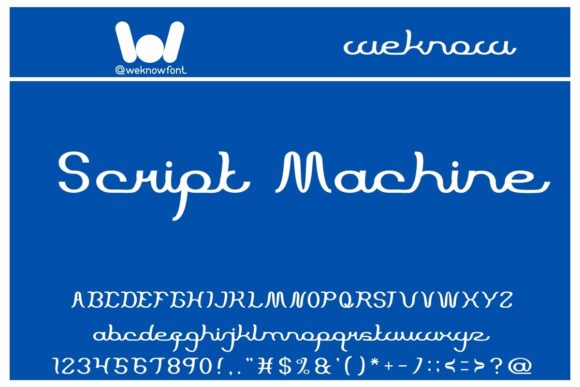
At its core, Script Machine is classified as a chic, smooth display font. It is not designed for long-form body text, such as the paragraphs you are reading now. Instead, it is engineered for environments where large, expressive typography is required. The defining characteristic of this typeface is its fluidity. The letterforms often feature connecting strokes that mimic natural handwriting but with a refined, polished edge that removes the imperfections often found in casual scripts.
The "chic" descriptor is often associated with fashion, luxury, and contemporary lifestyle branding. Script Machine leans into this by offering letter shapes that feel sophisticated yet approachable. Unlike traditional calligraphy fonts, which can sometimes feel rigid or archaic, this style tends to favor a more relaxed baseline and open counters, allowing for better legibility even at moderate sizes. It strikes a balance between the formal elegance of wedding invitations and the bold energy of modern advertising.
Application Versatility: From Logos to Motion Graphics
One of the primary reasons designers explore fonts like Script Machine is their versatility in application. Because it is smooth and visually distinct, it adapts well to a variety of creative contexts. However, understanding the nuance of these applications helps in maximizing its potential.
Branding and Logo Design
For logos, Script Machine offers a distinct advantage in creating an immediate emotional connection. A logo serves as the face of a brand, and using a script font can convey personality—whether that is luxury, creativity, or warmth. However, a common tradeoff with highly stylized script logos is scalability. While Script Machine may look stunning on a billboard or a website header, designers must test how well it renders at very small sizes, such as on a mobile browser tab or a business card. If the font relies on thin, delicate strokes to achieve its elegance, it may lose legibility when reduced.
Editorial and Publication Design
In the context of magazines, books, and comics, Script Machine is rarely used for the main narrative text. Instead, it serves as a powerful tool for chapter titles, pull quotes, or section headers. In comic book design, for example, it can be used for sound effects or character-specific dialogue bubbles to add a unique voice. For magazines, it helps break up the monotony of sans-serif or serif body text, guiding the reader’s eye to key stories or features.
Digital Media and Social Platforms
The rise of visual-centric platforms like Instagram and YouTube has increased the demand for fonts that "pop" on screen. Script Machine fits this need effectively. On YouTube thumbnails, for instance, the font can convey the mood of a video—be it a music review or a lifestyle vlog—almost instantly. Similarly, for Instagram stories or graphic overlays, its smooth curves help maintain a professional aesthetic without feeling overly corporate. It bridges the gap between casual user-generated content and high-end production value.
Evaluating the Tradeoffs: When to Choose Script Machine
When evaluating typography options, it is helpful to look at the decision factors that separate Script Machine from other categories of fonts. Every design choice involves a tradeoff, and script fonts are no exception.
The Primary Tradeoff: Style vs. Neutrality. The very quality that makes Script Machine appealing—its chic, distinctive personality—can also be a limitation. If a project requires a neutral, objective tone (such as a corporate annual report or technical documentation), a script font is generally the wrong choice. Script fonts inject emotion and subjectivity into a design. If the goal is to convey hard data or objective information, a clean sans-serif or a traditional serif is usually more appropriate.
The Legibility Factor. As mentioned earlier, smooth script fonts can sometimes suffer from legibility issues depending on the background. Because Script Machine features flowing connections between letters, it requires sufficient contrast and clean backgrounds to remain readable. Placing such a font over a busy photograph, for example, can result in a "visual mess" where the text blends into the image. In such cases, designers often need to add a drop shadow, an outline, or a semi-transparent background box to ensure the text stands out.
Comparing Categories: Script Machine vs. Standard Scripts
To understand the value of Script Machine, it helps to compare it broadly against other categories of script fonts available to designers today.
- Traditional Calligraphy: These fonts mimic historical handwriting styles, such as Copperplate or Spencerian. They are often more formal and rigid than Script Machine. While they are excellent for formal certificates or luxury branding with a vintage twist, they can feel stuffy or dated in modern, youthful contexts like music posters or game titles.
- Brush Scripts: These fonts simulate the look of ink applied with a paintbrush. They are often rougher, more textured, and more energetic than the "smooth" aesthetic of Script Machine. Brush scripts are great for grunge designs or energetic action themes, whereas Script Machine tends to lean more toward clean, digital precision.
- Handwritten Casual: These mimic everyday handwriting, often with imperfections. They are friendly and approachable but lack the sophistication required for high-end branding or elegant poster design.
Script Machine occupies a middle ground. It offers the fluidity of handwriting but with the polish of a professionally designed vector asset. It is less about mimicking a physical writing instrument and more about creating a digital aesthetic that feels current and stylish.
Best-Fit Scenarios for Implementation
Determining if Script Machine is the right resource for your project involves analyzing the specific requirements of the medium.
Best Fit:
- Music and Entertainment: Album covers, festival posters, and music video titles often benefit from the expressive nature of Script Machine. It captures the "vibe" of the content quickly.
- Game UI and Art: For fantasy or lifestyle games, this font can be used for titles or interface elements where atmosphere is key.
- Event Invitations: Digital invites for parties, galas, or weddings can utilize this font to set a celebratory tone immediately.
Scenarios Requiring Caution:
- Dense Information Hierarchy: If a design requires a lot of text to be read quickly (like a restaurant menu with many items), Script Machine should be reserved only for the section headers, not the item descriptions.
- Legal or Technical Documents: The stylized nature of the font can obscure precise wording, making it unsuitable for contracts or instructions.
Making an Informed Decision
Ultimately, the decision to use Script Machine should be driven by the project's communication goals. If the objective is to convey elegance, modernity, and a touch of personality, it is a strong candidate. It serves as a tool for emphasis, drawing the viewer's eye to the most important part of the design—be it a headline, a logo, or a call to action.
However, like any specialized tool, it is not a universal solution. It works best when paired with a strong supporting cast of typefaces—typically a legible sans-serif or serif for body text. This contrast allows the Script Machine headline to shine without overwhelming the reader. By considering the legibility requirements, the medium of delivery, and the desired emotional tone, designers can effectively integrate this chic font into a wide array of creative projects, ensuring the final product is both beautiful and functional.